



Discover Budget-Friendly 1-Bedroom Apartments from R2,500 to R9,000 Across Johannesburg’s Most Accessible Neighborhoods
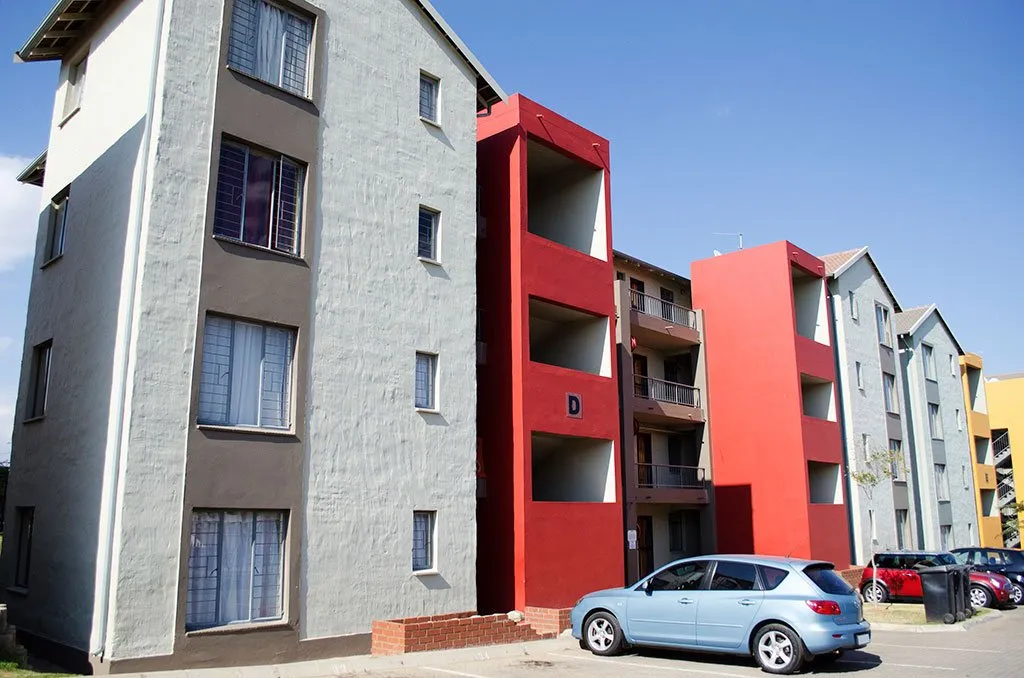
Johannesburg’s rental landscape offers surprising value for budget-conscious tenants willing to explore beyond the city’s premium neighborhoods. While areas like Sandton and Rosebank command monthly rents exceeding R18,000 for standard two-bedroom units, dozens of accessible suburbs provide quality accommodation at a fraction of these costs.
ALSO READ: Satellite Internet in South Africa: The Truth, The Gaps, and The Hype Around Starlink
Recent market analysis reveals that typical one-bedroom apartments across Johannesburg span between R7,500 and R14,000 monthly, with secure properties in sought-after locations trending toward higher price points. However, strategic neighborhood selection can reduce housing expenses substantially without sacrificing safety or accessibility.
Understanding Johannesburg’s Rental Price Spectrum
The city’s rental market operates across distinct price tiers, shaped by proximity to business districts, security infrastructure, and transportation networks. Premium neighborhoods including Sandton, Rosebank, and Bryanston see two-bedroom apartments starting at R18,000 monthly, attracting corporate executives and expatriates whose employers provide housing allowances.
Meanwhile, middle-income suburbs and emerging neighborhoods offer compelling alternatives. Budget-focused renters can secure one-bedroom accommodation for between R5,000 and R9,000 monthly in suburbs that balance affordability with reasonable security measures and commuting convenience.
Johannesburg’s Most Affordable Rental Suburbs: Detailed Breakdown
1. Marshalltown and Inner City Options (R2,790 – R8,300)
Johannesburg’s central business district and surrounding inner-city neighborhoods have emerged as surprisingly affordable options for young professionals and students prioritizing proximity to work and educational institutions.
New one-bedroom apartments in Marshalltown are available from R2,790 monthly, representing exceptional value for those comfortable with urban density. These properties typically feature modern finishes, security measures, and uncapped internet access as standard amenities.
Two-bedroom units in the same area range from R3,729 to R5,100, accommodating roommate arrangements that further reduce individual housing costs. Properties like those on Albert Street offer beautifully designed two-bedroom apartments in modern estates, demonstrating that inner-city living need not mean compromising on quality.
Auckland Park, positioned between the city center and the University of Johannesburg, commands slightly higher rates with one-bedroom apartments ranging from R7,800 to R8,300. The premium reflects the area’s established infrastructure, proximity to academic institutions, and reliable transport connections.
2. Rosettenville: Johannesburg South’s Value Leader (R1,650 – R6,150)
Rosettenville stands out as one of Johannesburg’s most compelling value propositions, combining affordability with improving safety conditions and solid transport infrastructure.
Bachelor apartments in Rosettenville begin at R2,500 monthly, with one-bedroom units ranging from R1,650 to R5,500. The substantial variation reflects differences in building age, security features, and unit condition rather than fundamental neighborhood characteristics.
Two-bedroom apartments span R4,000 to R6,150, with newer developments and security estates commanding premium pricing. Properties within the South Hills Lifestyle Estate offer two-bedroom apartments at R6,150, incorporating gated security, communal facilities, and professional management.
The area has demonstrated consistent improvement over recent years, with new businesses opening and enhanced safety perceptions compared to previous periods. Major highway access and functional rail connections position Rosettenville favorably for commuters traveling to Sandton, Rosebank, or the Johannesburg CBD.
Investment analysts note that Rosettenville offers strong rental yields, indicating sustained demand that supports property values and encourages landlord investment in maintenance and security improvements.
3. Hillbrow: Ultra-Budget Urban Living (R4,320 – R6,990)
Hillbrow represents Johannesburg’s most affordable dense urban neighborhood, though potential tenants should carefully evaluate security considerations against cost savings.
Two-bedroom apartments in Hillbrow rent for R4,320 monthly, substantially below rates in most other Johannesburg suburbs. The area attracts international migrants, students on tight budgets, and workers prioritizing walking distance to city center employment.
Properties in Hillbrow typically feature older buildings with varying maintenance standards. Prospective tenants should personally inspect units, verify security measures, and research specific building reputations before committing to leases in this neighborhood.
4. Ferndale: Northern Suburbs Accessibility (R5,500 – R11,200)
Ferndale positions itself as a bridge between Johannesburg’s premium northern suburbs and more affordable options, delivering Sandton proximity without Sandton pricing.
Apartments in Ferndale, which borders the Sandton area, range from R5,500 to R11,200 monthly. This pricing reflects the suburb’s strategic location, enabling residents to access Sandton’s employment hub within minutes while enjoying lower living costs.
The area particularly appeals to young professionals beginning their careers in financial services, consulting, or technology sectors concentrated in Sandton. Ferndale’s established residential character provides family-friendly environments with access to schools, parks, and shopping centers.
Two-bedroom houses in Ferndale rent for R15,000 to R16,000, offering single-family options for those requiring additional space or establishing households with children.
5. Fourways and Lonehill: Suburban Value (R6,000 – R14,000)
The Fourways node combines suburban lifestyle amenities with diverse rental price points, accommodating everyone from budget-conscious young professionals to established families.
One-bedroom apartments in the broader Fourways area, including Lonehill and surrounding neighborhoods, typically range from R6,000 to R9,000. Two-bedroom units span R9,000 to R14,000, with security estates and newer developments commanding premium rates.
Fourways appeals particularly to expatriates and corporate relocations due to its established infrastructure, international school access, and concentration of shopping, dining, and entertainment options. The area’s extensive security estate development provides options for safety-conscious renters willing to pay marginally higher rates for controlled access environments.
6. Melville and Greenside: Trendy Affordability (R6,000 – R11,000)
Melville and neighboring Greenside have cultivated reputations as Johannesburg’s bohemian neighborhoods, combining artistic culture with accessibility and relative safety.
One-bedroom apartments in these areas range from R6,000 to R9,000, with two-bedroom units reaching R11,000. The pricing reflects demand from young professionals, creative industry workers, and students attending nearby universities who value the neighborhoods’ vibrant social scenes.
Both suburbs offer extensive dining, nightlife, and cultural options within walking distance of residential areas. The neighborhoods’ pedestrian-friendly layouts represent unusual features in car-dependent Johannesburg, appealing to those seeking urban village atmospheres.
Safety considerations in Melville and Greenside receive generally positive assessments, with active community policing forums and established private security presence. However, as with all Johannesburg neighborhoods, residents should maintain awareness and follow standard urban safety protocols.
7. Randburg Suburbs: Established Value (R6,000 – R16,000)
The broader Randburg municipal area encompasses numerous suburbs offering middle-income housing at accessible price points with good security infrastructure.
Randpark Ridge provides apartments from R6,000 to R11,000 and houses from R15,000 to R16,000 monthly, delivering family-oriented environments with established schools and recreational facilities.
Northcliff, Ferndale, and other Randburg suburbs share similar pricing patterns, with one-bedroom apartments generally falling between R6,000 and R9,000. The area’s position between Johannesburg and Sandton enables relatively straightforward commutes to either employment hub.
8. Bedfordview: East Rand Access (R7,000 – R12,000)
Bedfordview offers residential options that balance affordability with security, particularly appealing to those working in East Rand locations or preferring quieter suburban environments.
One-bedroom apartments in Bedfordview typically range from R7,000 to R10,000, with two-bedroom units reaching R12,000 to R15,000. The suburb’s established character, mature tree canopy, and proximity to OR Tambo International Airport attract both long-term residents and short-term corporate rentals.
Bedfordview’s shopping infrastructure, including major retail centers and specialized medical facilities, reduces residents’ need to travel into central Johannesburg for services and amenities.
9. Yeoville and Surrounding Areas (R3,500 – R8,000)
Yeoville represents another inner-city option combining affordability with cultural diversity and proximity to Rosebank and the city center.
One-bedroom apartments in Yeoville range from R3,500 to R6,000, with two-bedroom units reaching R8,000. The area’s cosmopolitan character reflects waves of international migration, creating diverse dining and cultural scenes.
Security considerations in Yeoville require careful attention, with substantial variation between specific buildings and streets. Prospective tenants should thoroughly research particular properties and consult current residents before committing to leases.
10. Turffontein and Surrounding South Johannesburg (R5,000 – R9,000)
Johannesburg’s southern suburbs, including Turffontein, Rosettenville, and surrounding areas, consistently deliver some of the city’s best rental value propositions.
Turffontein offers strong rental yields and attracts young professionals and students seeking affordable accommodation. One-bedroom apartments typically rent for R5,000 to R7,000, with two-bedroom units reaching R9,000 to R11,000.
Areas including Southcrest, Verwoerdpark, and Alberton are described as offering some of the best value, being safe and well-maintained with proximity to schools, making them particularly suitable for young families establishing households.
Safety Considerations Across Johannesburg Rental Markets
Security remains a paramount concern for Johannesburg renters, influencing both property selection and pricing structures across the city.
Rosebank, Melville, and Greenside receive consistent recognition for security infrastructure, incorporating both private security services and active community policing initiatives. These neighborhoods demonstrate that mid-range pricing need not compromise safety when selecting properties within secured complexes or well-managed buildings.
Budget-conscious renters should prioritize specific property security over neighborhood reputation alone. Many affordable suburbs contain secure apartment complexes with controlled access, CCTV surveillance, and professional security personnel that substantially enhance resident safety regardless of broader area conditions.
Essential security features to verify before signing lease agreements include:
Building-Level Security:
- 24-hour security personnel or monitored access control systems
- CCTV coverage of entrances, parking areas, and common spaces
- Secure parking with dedicated, covered bays
- Perimeter fencing or walls with controlled entry points
- Well-lit common areas and exterior spaces
Unit-Level Security:
- Burglar bars on windows and security gates on doors
- Working intercom systems connecting to building security
- Reinforced door frames and quality locking mechanisms
- Clear emergency exit routes
Neighborhood Factors:
- Proximity to police stations and private security company offices
- Active community policing forums or residents’ associations
- Street lighting quality and maintenance
- Visible security patrols during evening and night hours
Transportation and Commuting Considerations
Housing affordability calculations must incorporate transportation costs, as savings on rent can evaporate quickly when factoring in lengthy commutes to employment centers.
Public Transportation Access
Gautrain stations in Rosebank, Sandton, and Johannesburg Park Station provide rapid rail connections that significantly enhance accessibility for suburbs along these corridors. Monthly Gautrain passes cost approximately R2,000 to R3,500 depending on travel distances, representing substantial expenses that offset rental savings from distant suburbs.
Metrorail services, while more affordable, suffer from reliability challenges and safety concerns that limit their practical utility for many commuters. Bus rapid transit systems including Rea Vaya serve specific corridors but provide limited citywide coverage.
Private Vehicle Costs
Renters relying on personal vehicles should calculate fuel, parking, and vehicle maintenance costs when evaluating suburb affordability. Monthly fuel expenses for 40-kilometer round-trip commutes typically range from R2,000 to R3,000, with parking in Sandton and Rosebank adding R500 to R1,500 monthly.
Proximity Strategy
Selecting accommodation within 15 kilometers of primary employment locations typically provides optimal balance between rental costs and transportation expenses. This approach enables affordable commutes whether using private vehicles, ride-sharing services, or public transportation while accessing more budget-friendly rental markets than immediate business district proximity.
Avoiding Rental Scams: Essential Precautions
Johannesburg’s competitive rental market has attracted sophisticated scammers targeting desperate apartment seekers, making vigilance essential throughout the search and application process.
Common Rental Scam Patterns
Rental scams involve fraudsters posing as landlords to obtain money from potential tenants for properties they don’t lawfully own. These schemes have grown increasingly sophisticated, incorporating professional-looking rental agreements, compelling property photographs, and convincing communication that can deceive even cautious renters.
Scammers often advertise properties with pictures and seemingly legitimate rental agreements, collecting deposits or rental payments from victims before disappearing or revealing that the property was never available for legitimate rental.
Red Flags Indicating Potential Scams
Pricing Anomalies: If advertised rent falls substantially below comparable properties in the same area, exercise extreme caution. Scammers use below-market pricing to create urgency and reduce scrutiny from desperate apartment seekers.
Inability to View Property: Legitimate landlords and agents arrange property viewings before accepting deposits or rent payments. Claims of being overseas, property currently occupied, or other excuses preventing in-person tours should trigger immediate skepticism.
Pressure for Immediate Payment: Scammers create artificial urgency, claiming multiple interested parties or limited-time availability to pressure victims into transferring money before thorough verification. Legitimate landlords allow reasonable time for decision-making and due diligence.
Unusual Payment Methods: Requests for wire transfers, cryptocurrency, gift cards, or other difficult-to-trace payment methods indicate likely fraud. Deposits should be paid into properly accredited trust accounts maintained by attorneys or estate agents.
Vague or Unprofessional Listings: Advertisements containing grammatical errors, excessive capitalization, formatting irregularities, or insufficient property details often originate from scammers rather than legitimate landlords.
No Credit or Background Checks: While some legitimate landlords maintain lenient screening processes, complete absence of tenant verification should raise concerns, particularly when combined with other warning signs.
Protective Measures
Verify Property Ownership: Request proof that the landlord actually owns the property if uncertain. Title deed searches through the Deeds Office or property tax records can confirm legitimate ownership.
Tour Before Paying: Never transfer deposits or rental payments without personally viewing the specific unit being rented. Insist on seeing the exact apartment, not just similar units in the same building.
Use Registered Agents: Working with estate agents registered with the Estate Agency Affairs Board provides regulatory oversight and professional standards that reduce fraud risk. Verify agent credentials through the EAAB website before engaging their services.
Secure Payment Channels: Ensure deposits are paid into attorney trust accounts or estate agent trust accounts, both of which are subject to professional regulation and auditing requirements. Obtain official receipts for all payments made.
Written Lease Agreements: Review complete, detailed lease agreements before making any payments. Legitimate landlords provide comprehensive contracts specifying all terms, conditions, and obligations of both parties.
Research the Property: Conduct online searches for the property address to identify whether the same listing appears multiple times with varying prices or contact information, indicating potential fraud.
Lease Agreements and Tenant Rights
Understanding lease terms and South Africa’s rental housing framework protects tenants from exploitation while establishing clear expectations for landlord-tenant relationships.
Standard Lease Components
Legitimate rental agreements in South Africa should clearly specify:
Financial Terms:
- Monthly rental amount
- Deposit amount (typically equivalent to one or two months’ rent)
- Escalation clauses detailing annual rent increases
- Responsibility for utilities, levies, and other property-related costs
- Payment due dates and acceptable payment methods
- Late payment penalties
Property Specifics:
- Complete physical address and unit number
- Condition of property at lease commencement
- Included fixtures, fittings, and appliances
- Parking allocation and security deposits for access devices
- Rules regarding property modifications or decorating
Lease Duration:
- Start and end dates for fixed-term leases
- Notice periods required for termination
- Renewal options and conditions
- Procedures for early termination by either party
Maintenance and Repairs:
- Landlord responsibilities for structural and essential maintenance
- Tenant responsibilities for minor repairs and upkeep
- Procedures for reporting and addressing maintenance issues
- Timeline expectations for landlord response to repair requests
Tenant Protections
The Rental Housing Act and Consumer Protection Act establish tenant rights including:
Habitability Standards: Landlords must maintain properties in reasonable condition suitable for residential occupation, including functional plumbing, electrical systems, and structural integrity.
Deposit Protection: Landlords must hold tenant deposits in interest-bearing accounts, returning deposits plus accrued interest within specified timeframes after lease termination, minus legitimate deductions for damages beyond normal wear and tear.
Privacy Rights: Landlords must provide reasonable notice (typically 24 hours) before entering rental properties except in genuine emergencies requiring immediate access.
Eviction Procedures: Landlords cannot unilaterally evict tenants without following legal processes, including proper notice and, if necessary, obtaining court orders authorizing eviction.
Utilities and Additional Costs
Monthly housing expenses extend beyond base rental amounts, requiring careful budgeting for utilities and ancillary charges.
Electricity and Water
Utility costs including electricity and water combined typically run between R800 and R2,500 monthly, with substantial variation based on unit size, occupancy levels, and consumption patterns.
Most Johannesburg rental properties operate on prepaid electricity systems requiring tenants to purchase electricity units in advance. Water costs typically appear as monthly municipal accounts or are incorporated into sectional title levies for apartments.
Energy-efficient appliances, mindful consumption practices, and selecting units with good insulation can significantly reduce utility expenses. North-facing apartments in Johannesburg’s climate typically require less heating during winter months, reducing electricity consumption.
Internet and Communications
Uncapped fiber internet connections in Johannesburg range from R500 to R1,200 monthly depending on speed tiers and service providers. Some modern apartment complexes include communal fiber infrastructure with individual unit connections at reduced monthly rates.
Many entry-level and budget-friendly apartments advertise free uncapped internet as a standard amenity, providing genuine value for remote workers or students requiring reliable connectivity.
Sectional Title Levies
Apartment complexes operating under sectional title schemes collect monthly levies covering shared expenses including:
- Building insurance
- Common area maintenance and cleaning
- Security services and access control systems
- Garden and pool maintenance
- Reserve fund contributions for major capital expenses
Monthly levies typically range from R800 to R2,500 for one-bedroom apartments in standard complexes, with luxury developments commanding substantially higher contributions. Prospective tenants should verify whether advertised rental amounts include or exclude these levies, as the distinction significantly affects actual monthly housing costs.
Neighborhood Infrastructure and Amenities
Suburb selection involves balancing rental affordability against access to essential services, recreational facilities, and quality-of-life amenities.
Shopping and Services
Ferndale, Fourways, Bedfordview, and Randburg offer extensive shopping infrastructure including major retail centers, supermarkets, specialized stores, and professional services. This concentration reduces travel requirements for routine errands and everyday needs.
Inner-city options like Marshalltown and Hillbrow provide immediate proximity to Johannesburg’s CBD business services but may require travel to suburban malls for comprehensive retail options.
Healthcare Facilities
Access to quality healthcare represents an essential consideration, particularly for families with children or individuals with ongoing medical needs.
Bedfordview, Randburg, and surrounding northern suburbs provide proximity to major private hospitals, specialist medical practices, and pharmaceutical retailers. Rosebank and Parktown areas offer similar healthcare access within moderate distances.
Budget-conscious renters should verify proximity to public clinics and hospitals when selecting suburbs, as medical emergencies requiring urgent care make healthcare accessibility crucial regardless of insurance status.
Education
Families with school-age children should prioritize suburbs with established government schools or affordable private school options.
Ferndale, Randpark Ridge, and surrounding Randburg areas provide quality school access, making these neighborhoods particularly suitable for young families. Fourways and Lonehill similarly offer diverse educational options from pre-primary through secondary levels.
Proximity to universities, including the University of Johannesburg, University of the Witwatersrand, and various technical colleges, influences pricing and availability in suburbs like Auckland Park, Braamfontein, and surrounding areas as student populations create consistent rental demand.
Practical Tips for Johannesburg Apartment Hunting
Successful apartment searches in Johannesburg’s competitive market require strategic approaches balancing urgency with thorough due diligence.
Timing Considerations
Rental availability peaks during November through January as academic calendars, corporate relocations, and year-end employment transitions drive tenant turnover. Competition for quality properties intensifies during these months, often requiring faster decision-making and limited negotiating leverage.
February through October typically offer more relaxed markets with better negotiating positions for prospective tenants. Landlords facing extended vacancies during these periods may accept lower rental offers or include additional concessions like first-month rent reductions.
Documentation Preparation
Compile essential documentation before beginning property viewings to expedite application processes:
- Certified copies of identification documents
- Recent payslips (typically three months)
- Employment contracts or letters confirming employment
- Bank statements demonstrating financial stability
- References from previous landlords
- Credit reports (optional but increasingly common)
Having documentation readily available demonstrates seriousness and enables rapid application submission when finding suitable properties.
Inspection Protocols
Personal property inspections remain non-negotiable regardless of time pressures or listing appeal. During viewings:
Assess Security:
- Test all locks, security gates, and access control systems
- Verify CCTV camera functionality and coverage
- Evaluate exterior lighting and perimeter security
- Confirm security personnel presence during different times
Check Infrastructure:
- Run taps to verify water pressure and drainage
- Test electrical outlets and light switches
- Inspect appliances for functionality if included
- Examine windows and doors for proper sealing and operation
- Assess soundproofing between units if possible
Document Condition:
- Photograph existing damages, stains, or defects
- Note items requiring repair or replacement
- Verify condition inventory matches lease agreement descriptions
- Create written records of pre-existing issues
Negotiation Strategies
While Johannesburg’s rental market remains competitive, negotiation opportunities exist, particularly for longer-term leases or during slower rental periods:
Lease Duration: Landlords may offer reduced monthly rates in exchange for longer lease commitments (18-24 months) that ensure stable tenancy and reduce vacancy risks.
Move-In Concessions: First-month rent reductions, waived administration fees, or flexible deposit payment schedules represent common negotiable items, particularly for properties with extended vacancies.
Inclusions: Requesting inclusion of specific utilities, parking bays, or appliances can provide value without reducing nominal rent amounts.
Maintenance Commitments: Securing landlord commitments to complete specific repairs or upgrades before move-in addresses immediate concerns while establishing positive landlord-tenant relationships.
Long-Term Rental Strategy
Johannesburg’s rental market rewards strategic thinking about long-term housing trajectories beyond immediate accommodation needs.
Building Rental History
Establishing positive rental records with timely payments, property maintenance, and professional landlord relationships creates valuable credentials for future housing applications. Request written references from landlords when terminating leases to document responsible tenancy.
Location Progression
Many successful Johannesburg residents begin in budget-friendly suburbs like Rosettenville, Ferndale, or Randburg before progressively upgrading to premium locations as careers advance and incomes increase. This graduated approach enables savings accumulation while maintaining housing security.
Ownership Pathways
Buying entry-level properties in affordable suburbs enables working families to build equity rather than paying rent indefinitely. Areas like Rosettenville, Turffontein, and Johannesburg South offer properties between R650,000 and R1,500,000 that translate to monthly bond payments competitive with rental costs while building asset ownership.
Understanding rental markets through direct tenancy experience provides valuable knowledge for eventual property purchases, including neighborhood familiarity, infrastructure assessment, and community evaluation.
Conclusion: Making Informed Johannesburg Rental Decisions
Johannesburg’s diverse rental landscape offers genuine opportunities for budget-conscious tenants willing to research thoroughly, prioritize essential needs over luxury preferences, and maintain realistic expectations about urban living in South Africa’s economic hub.
The city’s affordable suburbs—from Rosettenville’s exceptional value to Ferndale’s Sandton proximity, from Marshalltown’s inner-city convenience to Fourways’ suburban amenities—provide quality housing options across various price points, lifestyle preferences, and practical requirements.
Successful apartment hunting combines financial discipline, security consciousness, scam awareness, and strategic location selection that balances commuting costs against rental savings. By understanding market dynamics, recognizing neighborhood-specific value propositions, and following systematic property evaluation protocols, renters can secure safe, affordable accommodation that supports their Johannesburg lifestyle and career aspirations.
The rental journey demands patience, thorough research, and willingness to compromise on non-essential preferences while insisting on fundamental requirements including security, habitability, and financial sustainability. Armed with comprehensive market knowledge and practical evaluation frameworks, prospective tenants can navigate Johannesburg’s rental landscape confidently, securing housing that delivers genuine value rather than merely accepting whatever becomes available under time pressure.
Market conditions, rental rates, and suburb characteristics evolve continuously. Prospective tenants should conduct current research, personally inspect properties, and verify all information independently before making binding rental commitments. Rental prices cited reflect January 2026 market conditions and may change based on economic factors, seasonal demand, and individual property characteristics.
Follow us on Instagram
