



MUSINA, LIMPOPO — Farm workers discovered an abandoned newborn infant concealed in bushes near the Gateway Truck Stop in Musina on Tuesday morning, September 28, prompting an immediate emergency response and an ongoing police investigation to locate the child’s mother.
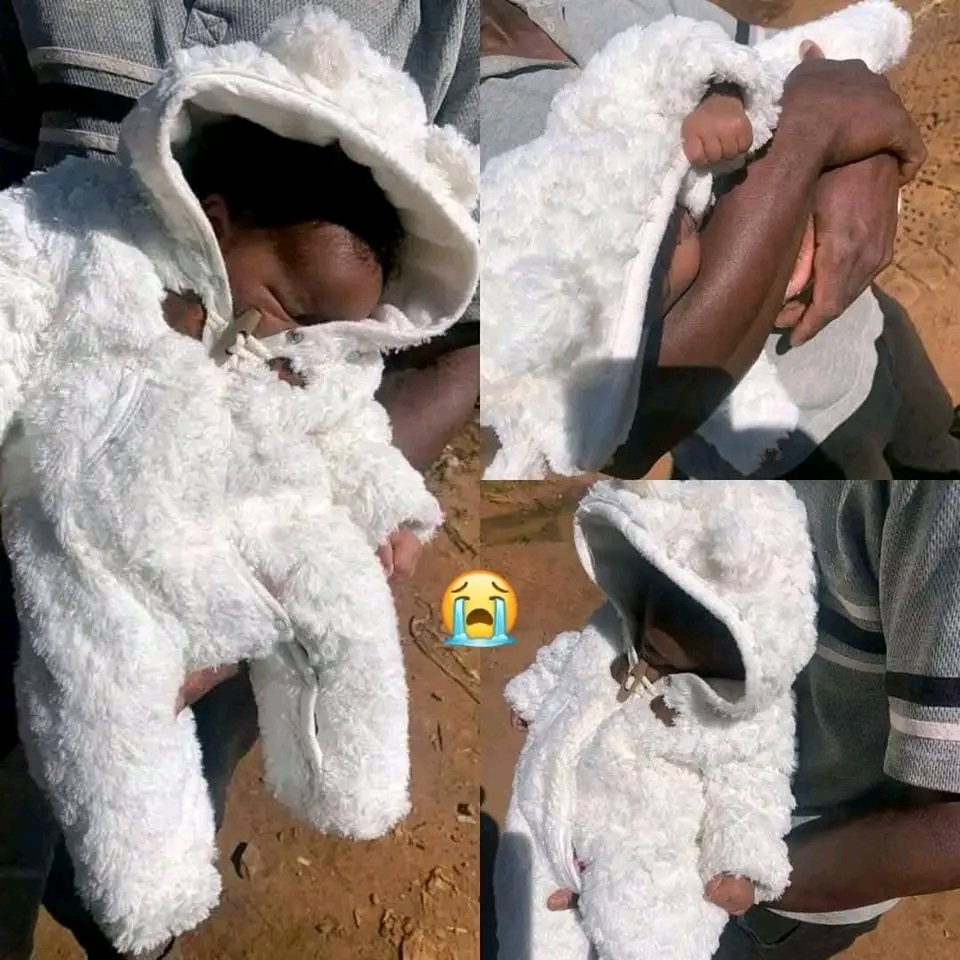
The discovery occurred around 8:00 AM when agricultural workers noticed a woman behaving suspiciously in vegetation near the truck stop, according to Freek Clifford, chairperson of the Musina Community Forum. When workers approached to investigate, the woman fled northward toward the Zimbabwe-South Africa border.
Discovery and Immediate Response
Concerned by the woman’s abrupt departure, the farm workers decided to search the area where she had been seen. Their concerns proved justified when they heard faint infant cries emanating from the undergrowth.
“The workers found the newborn girl concealed under grass and pieces of cardboard,” Clifford stated. “She had been left exposed to the elements, completely vulnerable.”
The workers immediately contacted local police, who arrived at the scene and notified Clifford of the situation.
“The moment I received the call, I contacted Musina ambulance services right away. Within five minutes, the ambulance, the police, and I were all on our way to the location where the baby was found,” Clifford explained.
Medical Assessment and Current Condition
Paramedics who responded to the scene assessed the infant and found her to be in surprisingly good health despite the traumatic circumstances of her abandonment. The newborn received immediate medical attention before being transported to Musina Hospital for comprehensive examination and monitoring.
“I want to express my sincere gratitude to the staff at Musina Hospital for their swift and professional response,” Clifford said, praising the medical team for ensuring the baby’s safety and well-being.
Hospital officials have not released detailed information about the infant’s condition, citing patient privacy protocols, but sources indicate she is receiving appropriate care and remains stable.
Police Investigation Ongoing
The South African Police Service has opened an investigation into the abandonment, though details about the specific charges being considered have not been publicly disclosed. Authorities are working to identify and locate the woman observed fleeing the scene.
Note: The exact date of this incident could not be independently verified. September 28 fell on different days of the week in recent years (Tuesday in 2021, Wednesday in 2022, Thursday in 2023, Saturday in 2024). Readers should be aware that specific details regarding the incident date may require confirmation from official police sources.
The woman’s identity remains unknown, and police have not released a physical description or indicated whether surveillance footage from the nearby truck stop might assist in identification efforts.
Investigators face the challenge of determining whether the abandonment represents a criminal act requiring prosecution or a crisis where the mother requires medical and psychological support rather than punitive measures.
Community Reaction and Broader Context
The incident has generated significant concern among Musina residents, with community members expressing both outrage at the abandonment and compassion for the desperate circumstances that might drive such an act.
Musina, located in Limpopo Province, approximately 15 kilometers from the Beitbridge border post with Zimbabwe, serves as a transit point for migrants and faces unique social challenges, including poverty, cross-border migration, and limited social services infrastructure.
Child Abandonment in South Africa
While comprehensive national statistics on infant abandonment are not readily available, child welfare organizations report that babies are abandoned in South Africa with troubling regularity, driven by factors including:
- Extreme poverty and the inability to provide for a child
- Lack of access to contraception and family planning services
- Stigma surrounding pregnancy outside marriage, particularly in conservative communities
- Mental health crises, including postpartum depression
- Sexual assault resulting in unwanted pregnancy
- Fear of family rejection or social ostracism
South African law provides mechanisms for parents unable to care for newborns to surrender them safely. The Children’s Act allows parents to leave a child younger than two months at designated child protection organizations, police stations, or hospitals without fear of prosecution, provided the child is unharmed.
However, awareness of these safe surrender options remains limited, particularly in rural areas and among marginalized populations.
Child Welfare and Next Steps
Social workers from the Limpopo Department of Social Development will assume responsibility for the infant’s long-term care once she is medically cleared for discharge from Musina Hospital.
The child will likely be placed in temporary foster care while authorities determine permanent placement options, which may include adoption or long-term foster arrangements, depending on whether biological family members are located and assessed as suitable caregivers.
South African child protection law prioritizes family reunification when safe and appropriate, but in abandonment cases where parents cannot be located or are deemed unfit, children typically enter the adoption system.
Support Systems and Prevention
Child welfare advocates emphasize that preventing infant abandonment requires comprehensive approaches, including:
Accessible Healthcare: Ensuring pregnant women have access to prenatal care, counseling, and information about parenting resources and alternatives,s including adoption.
Economic Support: Providing the Child Support Grant and other social assistance to families struggling financially.
Mental Health Services: Screening for and treating postpartum depression and other mental health conditions that may contribute to abandonment.
Education and Awareness: Informing communities about safe surrender options and reducing stigma around seeking help.
Community Networks: Strengthening informal support systems that can identify struggling mothers and connect them with resources before crises occur.
Musina’s Unique Challenges
As a border town, Musina faces particular challenges in providing social services to vulnerable populations, including undocumented migrants who may fear deportation if they seek assistance.
Cross-border dynamics complicate child protection cases, as biological parents may have already left South Africa, making family tracing and reunification efforts extremely difficult.
The town’s location along a major migration and smuggling route also means authorities must consider whether human trafficking or exploitation may factor into some abandonment cases, though there is no indication this applies to the current incident.
What Happens Now
The immediate priorities include:
Medical Care: Ensuring the infant receives comprehensive health screening, vaccinations, and any necessary treatment while hospitalized.
Investigation: Police efforts to locate and interview the suspected mother to understand the circumstances and determine appropriate legal and social service responses.
Temporary Placement: Social workers identify appropriate interim care while permanent solutions are developed.
Legal Processes: Court proceedings to formally place the child in state care and eventually facilitate adoption if family reunification proves impossible.
How Communities Can Help
The Musina Community Forum and local child welfare organizations encourage community members to:
- Report concerns about pregnant women or new mothers in crisis to social workers or police
- Spread awareness about safe surrender options for parents unable to care for newborns
- Support local child protection organizations through volunteering or donations
- Approach vulnerable community members with compassion rather than judgment
- Participate in community watch efforts that can identify at-risk situations
A Broader Conversation
This incident underscores fundamental questions about social safety nets, women’s reproductive healthcare access, economic inequality, and the support systems available to struggling parents.
While the immediate focus remains on ensuring this particular infant’s safety and well-being, the case should prompt broader examination of how communities and government institutions can better support vulnerable women and prevent the desperation that leads to child abandonment.
Child welfare experts note that behind every abandonment lies a story of crisis, fear, and often profound suffering. Effective responses must balance child protection imperatives with compassion for parents facing circumstances the privileged may never fully comprehend.
Current Status
The infant girl remains under medical observation at Musina Hospital, where staff report she is responding well to care. Her immediate future is secure, though the investigation into her abandonment continues.
Anyone with information about the incident or the woman observed near the scene on the morning of September 28 is urged to contact the Musina Police Station or the national Crime Stop hotline at 08600 10111. Callers may remain anonymous.
The South African Police Service has not indicated whether they are treating the mother as a suspect requiring arrest or a person in crisis requiring support services, though this determination will likely depend on circumstances revealed during the investigation.
Resources for Parents in Crisis:
- Childline South Africa: 116 (toll-free 24/7 counseling)
- Department of Social Development: 012 312 7652
- National Adoption Coalition: 011 975 7106
- Families South Africa (FAMSA): 011 975 7106
Parents unable to care for newborns can surrender them safely at hospitals, police stations, or registered child protection organizations without fear of prosecution under the Children’s Act.
Note to Readers: Some details in this report, including the specific date and year of the incident, could not be independently verified through official sources. The account is based on statements attributed to community leaders as reported. Readers seeking the most current information should contact Musina Police Station or the Limpopo Department of Social Development directly.
