



PRETORIA — A distressing Facebook Live broadcast by a Mamelodi woman has prompted widespread discussion about mental health support and the responsible use of social media platforms.

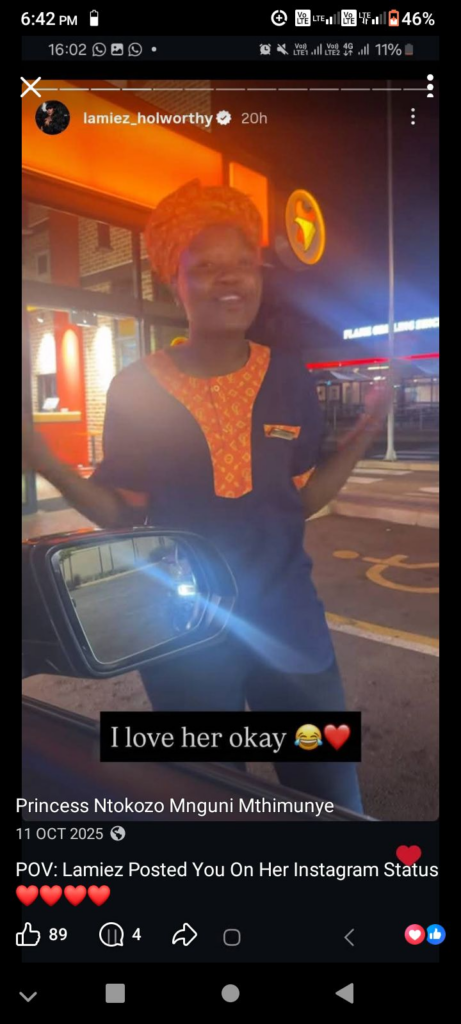
The young woman, reportedly employed at fast-food chain Chicken Licken, shared a five-minute live video that drew hundreds of viewers and sparked immediate concern among family, friends, and community members.
Community Response and Concerns
During the broadcast, the woman appeared visibly upset and emotional, speaking minimally while viewers watched with growing alarm. The comment section quickly filled with messages from concerned individuals urging platform administrators to remove the content.
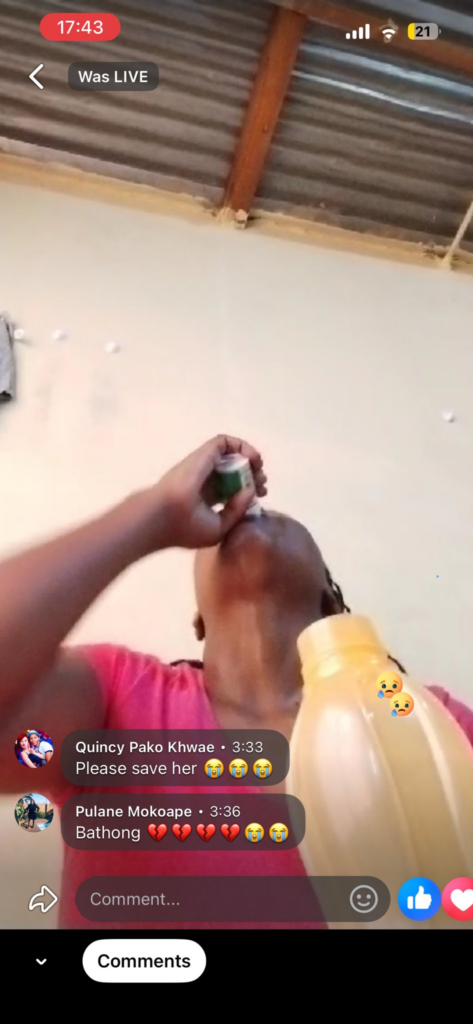
“Please remove this… this is my little sister. Let’s respect her until we find her,” wrote one commenter, while others echoed similar requests for the video’s removal out of concern for her wellbeing.
Although the video contained no inappropriate content, viewers recognized signs of emotional distress, prompting immediate calls for intervention and support.
Divided Public Reaction
As the broadcast circulated across social media platforms, public response varied significantly. Many users expressed empathy and shared their own experiences with workplace stress and emotional challenges.
“This cuts deep, people are going through a lot,” one commenter noted, while others reflected on personal struggles with demanding work environments and mental exhaustion.
“I resigned two weeks back after 10 years at a company. I was emotionally drained,” shared one user, highlighting how professional environments can significantly impact mental wellbeing.
However, some responses were less supportive, with certain users questioning the authenticity of the situation. These reactions sparked additional debate, with many advocating for compassion over judgment.
Safety and Well-being Updates
Multiple commenters inquired about the woman’s safety throughout the incident. Later updates in the comment section indicated she was reportedly safe, though no official confirmation has been issued by authorities or family representatives at this time.Mental Health and Social Media Ethics
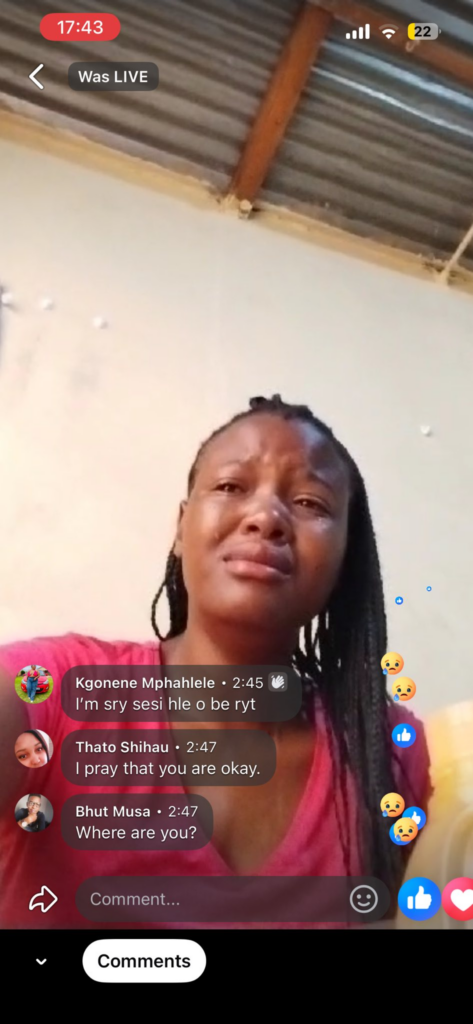
The incident has renewed important conversations about mental health awareness, particularly among young people who may feel isolated or overwhelmed. It has also raised questions about the ethics of sharing sensitive content on public platforms.
Mental health professionals caution that redistributing such videos can have negative consequences for both the individual featured and vulnerable viewers. Experts recommend responding to similar situations by contacting the person privately, alerting family members, or reaching out to emergency services rather than amplifying the content online.
Available Support Resources
Mental health advocates emphasize that professional help and support systems are available for individuals experiencing emotional difficulties. Speaking with trusted friends, family members, or qualified counselors can provide essential assistance during challenging times.
Digital Age Considerations
As social media platforms continue to serve as spaces where personal struggles sometimes become public, this incident underscores an important principle: every individual behind a screen deserves compassion and respect, and genuine concern should take precedence over online engagement.
The Mamelodi woman’s experience serves as a reminder of the mental health challenges many individuals face silently and the collective responsibility to respond with empathy and appropriate support rather than judgment or sensationalism.
If you or someone you know is experiencing emotional distress, please reach out to mental health professionals, trusted individuals, or local support services. Help is available, and no one needs to face difficult feelings alone.
