
An e-hailing driver was robbed of his cellphone and cash by a group of young men in Westbury, western Johannesburg, in an incident captured on dashboard camera that has since gone viral on social media and reignited calls for urgent safety reforms within the ride-hailing industry.
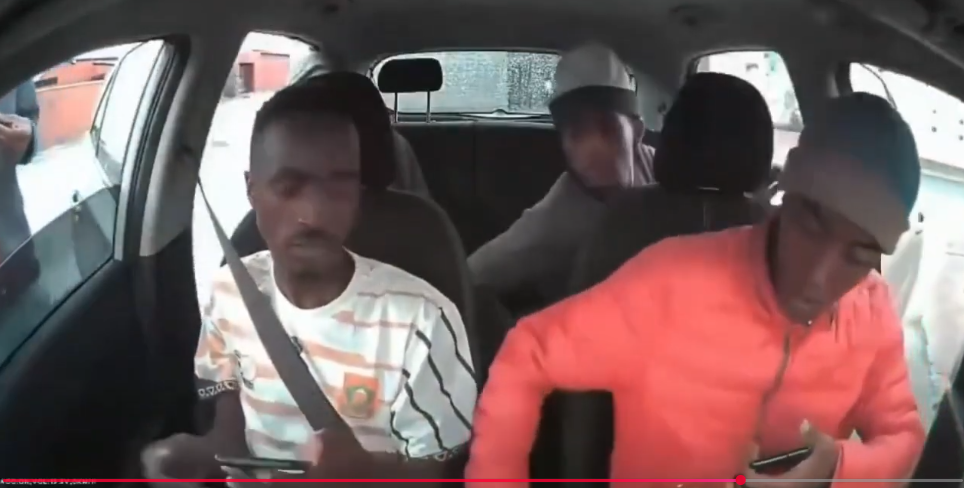
The driver had arrived at a designated pickup point when several suspects approached the vehicle and allegedly coerced him into surrendering his phone and cash before fleeing the scene. Footage from the vehicle’s dashboard camera spread rapidly across social media platforms, drawing widespread condemnation and prompting a broader public conversation about the dangers facing e-hailing drivers in high-risk areas.
Public Outrage Fuels Calls for Justice
The video sparked immediate reaction online, with many users calling on law enforcement to act swiftly. Comments ranged from confident predictions of imminent arrests to calls for community vigilance, with several users noting that the suspects’ faces were clearly visible on the recording. Others pointed out that dashboard cameras have become standard in most ride-hailing vehicles — a fact the suspects may have overlooked.
Safety Measures Under Scrutiny
The incident triggered debate around what practical steps could prevent similar attacks. Suggestions from the public included installing physical barriers between front and rear seats, equipping vehicles with automated pepper spray systems, and requiring all payments to be made by card only — eliminating the cash that makes drivers targets. Others proposed that ride-hailing platforms link user accounts directly to national identification records to improve accountability and deter criminal activity.
There were also calls for e-hailing companies to introduce mandatory safety orientation for new drivers, particularly around identifying and navigating high-risk pickup zones.
Westbury Flagged as High-Risk Zone
Several commenters identified Westbury itself as a known danger area, with some arguing that the driver’s first error was accepting a pickup request from the location at all. This sentiment reflects a broader and troubling pattern: drivers increasingly avoiding entire neighborhoods out of fear, a development that ultimately limits mobility for law-abiding residents in those communities.
A Deeper Crisis for Gig Workers
Beyond the immediate incident, voices online emphasized the human cost of these attacks. E-hailing drivers operate long hours with limited institutional protection, often bearing full personal risk in pursuit of a livelihood. Each robbery not only harms the individual driver but erodes trust across the entire platform ecosystem.
As the footage continues to circulate and pressure mounts on authorities to identify the suspects, this latest incident underscores an urgent question the industry and law enforcement cannot continue to defer: how do you protect the people keeping South Africa’s cities moving?
