



Newly released documents reveal South African connection to Jeffrey Epstein’s suspected trafficking operation
Court documents unsealed in the ongoing Jeffrey Epstein case have identified a Cape Town-based woman with ties to the modeling industry as an alleged recruiter in the disgraced financier’s suspected sex trafficking network, adding an international dimension to the scandal that has captivated global attention.
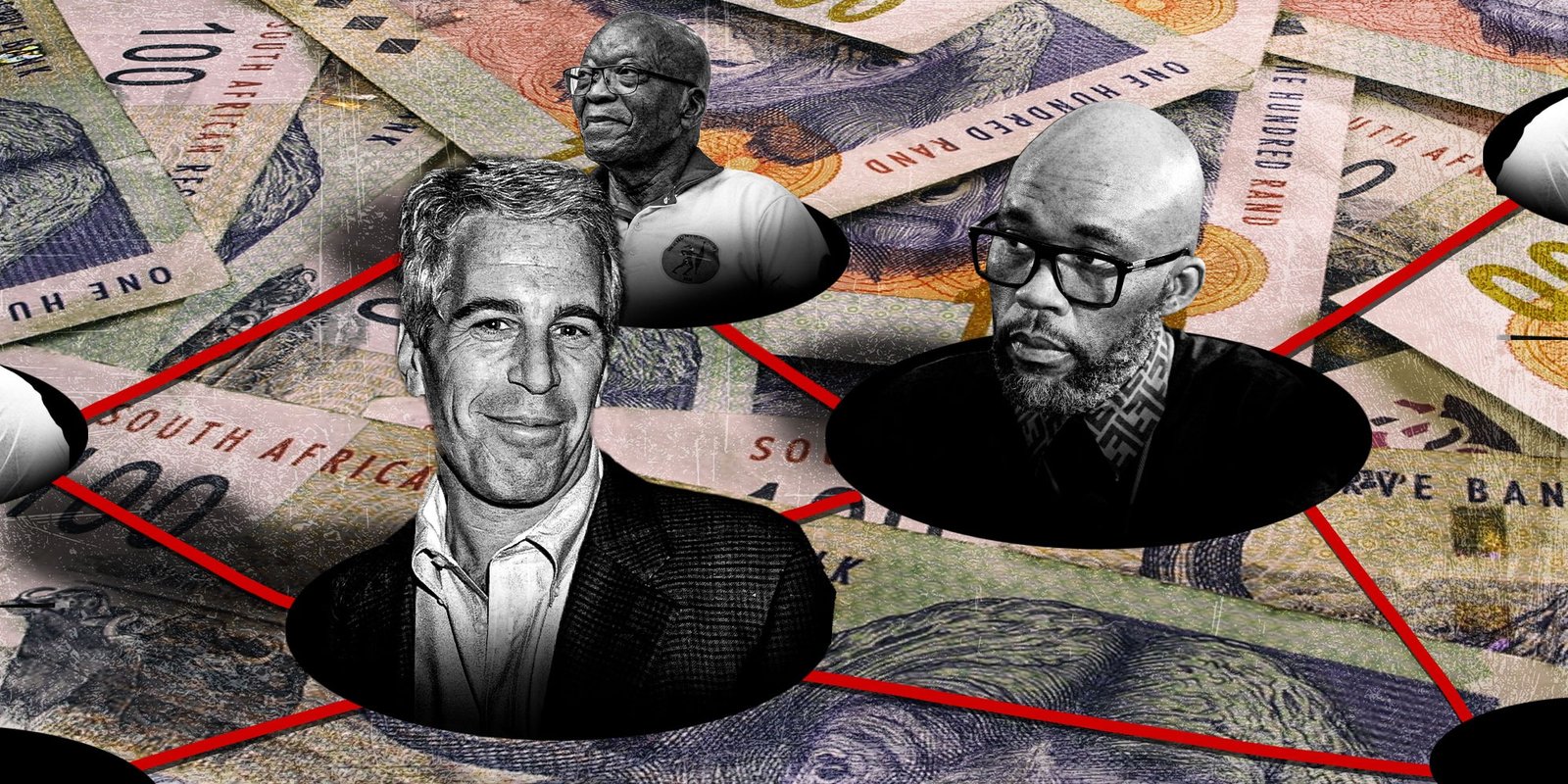
Document Release Expands Geographic Scope of Investigation
The latest tranche of judicial filings, made public as part of civil litigation related to Epstein’s crimes, contains testimonial evidence and email correspondence allegedly connecting the South African woman to recruitment activities spanning multiple countries.
Legal experts note that these revelations underscore the transnational nature of Epstein’s alleged operations, which investigators believe exploited legitimate business frameworks—including modeling agencies—as cover for illicit activities.
The woman, whose modeling industry employment provided access to young women seeking career opportunities, allegedly facilitated introductions between prospective victims and Epstein’s network, according to witness statements included in the court records.
Modeling Industry Connections Under Scrutiny
Investigative findings have repeatedly highlighted how Epstein’s organization allegedly leveraged the modeling and entertainment industries to identify and approach vulnerable young women.
Former modeling agency personnel have emerged as figures of interest in multiple jurisdictions as prosecutors and civil attorneys piece together the operational structure of what authorities describe as a sophisticated trafficking enterprise.
How Recruitment Allegedly Operated
Court documents suggest that individuals connected to modeling agencies would identify young women—often from economically disadvantaged backgrounds—with promises of legitimate career advancement opportunities.
Victims and witnesses have described systematic approaches where initial contact appeared professional before transitioning into exploitative situations involving Epstein and his associates.
The alleged Cape Town connection represents one of several international nodes investigators believe fed into Epstein’s network, with similar recruitment patterns documented across Europe, South America, and various U.S. locations.
Email Evidence Detailed in Court Filings
The unsealed materials include email exchanges allegedly involving the South African woman, though specific content details remain partially redacted to protect ongoing investigations and victim privacy.
Legal analysts reviewing the documents indicate that electronic communications form crucial evidence in establishing the scope and coordination of recruitment activities across Epstein’s alleged network.
“Email correspondence provides verifiable timelines and demonstrates knowledge and intent in ways that strengthen prosecutorial cases,” explained one former federal prosecutor specializing in trafficking cases, speaking generally about such evidence.
South African Authorities Face Pressure for Action
The revelations have prompted calls from advocacy organizations for South African law enforcement to investigate potential violations of the country’s anti-trafficking statutes.
While no charges have been announced in South Africa related to these allegations, legal experts note that international cooperation protocols exist for pursuing justice in cases with cross-border elements.
Human rights organizations monitoring the case have emphasized that accountability must extend beyond U.S. borders to encompass all individuals allegedly involved in facilitating Epstein’s crimes, regardless of geographic location.
Broader Implications for Modeling Industry Oversight
The Epstein case has catalyzed industry-wide discussions about safeguarding mechanisms within modeling and talent management sectors.
Reform Efforts Underway
Several major modeling agencies have implemented enhanced vetting procedures, mandatory chaperone policies for underage talent, and improved reporting mechanisms for inappropriate conduct since Epstein-related revelations began emerging.
Industry advocates argue that additional regulatory frameworks may be necessary to prevent exploitation of young people entering competitive fields where power imbalances create vulnerability.
“The modeling industry must confront how its structures can be manipulated by predators and implement systemic protections,” stated one fashion industry ethics organization representative.
Ongoing Legal Proceedings and Victim Advocacy
The document release forms part of continuing civil litigation brought by Epstein survivors seeking accountability from individuals and institutions they allege enabled his crimes.
Victim advocacy groups have praised the transparency afforded by unsealed court records while emphasizing that many survivors continue seeking justice years after their exploitation.
Criminal Investigations Continue
While Epstein died in federal custody in August 2019 under circumstances officially ruled suicide, criminal investigations into his associates remain active in multiple jurisdictions.
Federal prosecutors have pursued cases against several alleged co-conspirators, with the highest-profile conviction being that of Ghislaine Maxwell, Epstein’s longtime associate, who received a 20-year prison sentence for sex trafficking in 2022.
What the Documents Reveal About Network Operations
Legal experts analyzing the unsealed materials describe a picture of systematic coordination involving numerous individuals across multiple countries, each allegedly playing specific roles in identifying, recruiting, and transporting young women.
The alleged Cape Town connection exemplifies how Epstein’s network purportedly operated: utilizing legitimate business contexts to establish credibility, targeting economically vulnerable individuals, and exploiting dreams of career advancement to facilitate exploitation.
International Justice Challenges
Cross-border trafficking cases present significant jurisdictional and evidentiary challenges for prosecutors, requiring cooperation among law enforcement agencies across different legal systems.
Extradition treaties, differing statutes of limitations, and varying legal definitions of trafficking offenses can complicate efforts to hold international networks accountable.
Legal scholars note that while international frameworks for combating human trafficking have strengthened in recent decades, enforcement remains inconsistent, particularly when cases involve wealthy, well-connected defendants.
Advocacy for Systemic Change
Survivor advocates emphasize that individual prosecutions, while important, must be accompanied by systemic reforms addressing the conditions that enable trafficking operations.
Recommended measures include:
- Enhanced screening and oversight for industries frequently exploited as recruitment fronts
- Improved training for professionals in recognizing trafficking indicators
- Stronger victim support services facilitating reporting and recovery
- International cooperation frameworks expediting cross-border investigations
Conclusion
The identification of a Cape Town woman with modeling industry connections in newly unsealed Epstein documents highlights the global scope of the alleged trafficking network and raises important questions about accountability across international boundaries.
As investigations continue and more information emerges through legal proceedings, the case serves as a stark reminder of how sophisticated criminal enterprises exploit legitimate industries and vulnerable populations across multiple countries.
The pursuit of justice for Epstein’s victims remains ongoing, with survivors, advocates, and legal authorities working to ensure that all individuals allegedly involved in facilitating these crimes face appropriate accountability, regardless of where they operated.
