



Asian nations implement emergency screening measures after rare virus with up to 75% fatality rate detected in West Bengal
February 1, 2026 — Asian governments have activated emergency health protocols following confirmation of two Nipah virus cases in India’s West Bengal state, marking the region’s first detection of the deadly pathogen in nearly two decades.
ALSO READ: Teacher Dies Days After Buying Dream Car, Weeks Before Moving Into New R600,000 Home
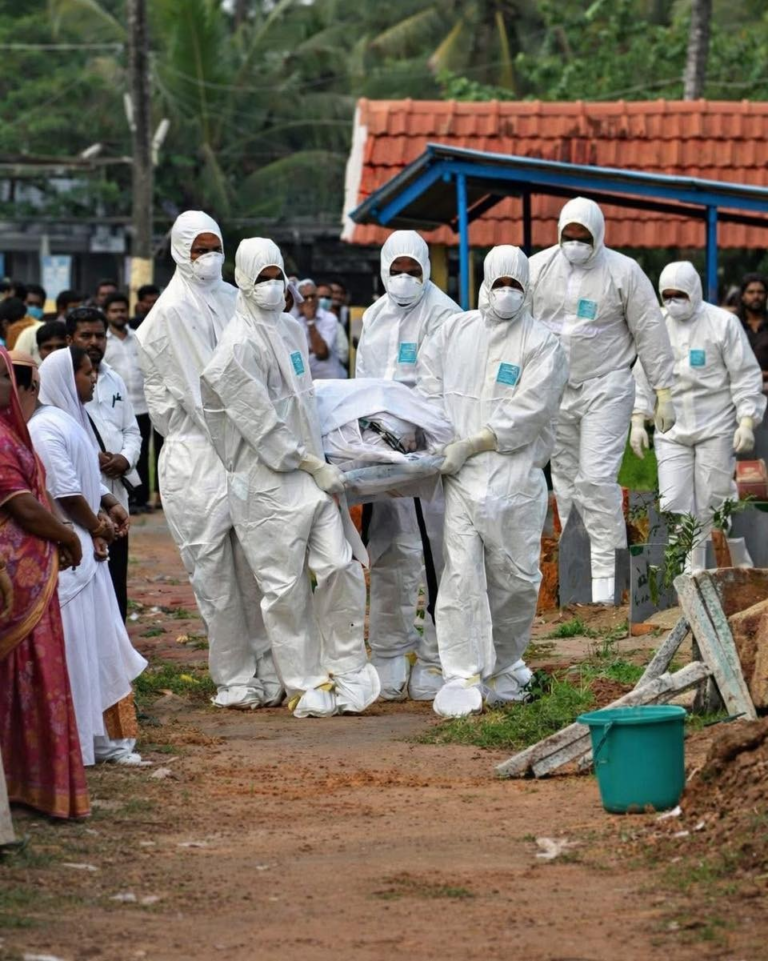
The resurgence of Nipah—a viral disease with fatality rates between 40% and 75%—has prompted immediate border security measures across multiple countries and renewed global health concerns about emerging infectious diseases.
Understanding the Nipah Virus Threat
Nipah virus represents one of the most lethal pathogens tracked by international health organizations. Unlike common viral infections, this zoonotic disease carries an exceptionally high mortality rate and currently has no approved vaccine or specific antiviral treatment available.
Key Facts About Nipah Virus:
Transmission: The virus originates in fruit bats (flying foxes), which serve as natural reservoir hosts. Human infections typically occur through:
- Consumption of contaminated fruit or date palm sap
- Direct contact with infected animals
- Close contact with infected individuals during outbreaks
Symptoms: Initial presentation mimics influenza, including fever, headache, and respiratory symptoms. However, the disease can rapidly progress to:
- Acute encephalitis (brain inflammation)
- Seizures and altered consciousness
- Respiratory distress
- Coma within 24-48 hours in severe cases
Survival Rate: Medical data shows 25-60% of patients survive, depending on outbreak strain and healthcare access. Survivors may experience long-term neurological complications including persistent seizures and personality changes.
India’s Emergency Response
India’s National Centre for Disease Control deployed rapid containment strategies immediately after laboratory confirmation of the West Bengal cases. Health officials identified and monitored approximately 200 individuals who had contact with the infected patients.
In a development offering cautious relief, all traced contacts tested negative and remained asymptomatic during the monitoring period, according to official statements from India’s Ministry of Health and Family Welfare.
This marks West Bengal’s first Nipah detection since 2007, when an outbreak in the Nadia district resulted in five fatalities. That incident required extensive contact tracing and quarantine measures before containment was achieved.
Regional Border Security Measures
Singapore and Hong Kong
Both city-states implemented thermal screening for all passengers arriving from India. Health declaration forms now require travelers to disclose recent exposure to animals or sick individuals.
Thailand
Thai health authorities designated isolated aircraft parking zones for flights from affected regions. Enhanced screening protocols now operate at Suvarnabhumi and Don Mueang international airports.
Malaysia
Malaysian officials strengthened health surveillance at Kuala Lumpur International Airport and land border crossings, with particular focus on arrivals from high-risk South Asian countries.
Nepal
Given its extensive shared border with India, Nepal declared heightened alert status. Border health posts received instructions to screen for fever and respiratory symptoms in cross-border travelers.
China
Chinese disease control centers reported zero domestic cases but acknowledged imported case risk. State health authorities enhanced surveillance systems across provinces bordering South Asia.
Historical Context and Global Impact

Nipah virus first emerged during a 1998-1999 outbreak affecting pig farmers in Malaysia and Singapore. That initial epidemic infected 276 people, killing 106—a 38% fatality rate that shocked the medical community.
Since identification, approximately 750 confirmed cases have occurred globally, predominantly in:
- Bangladesh (annual outbreaks since 2001)
- India (Kerala, West Bengal states)
- Singapore (initial outbreak only)
The virus appears on the World Health Organization’s priority pathogen list for research and development, alongside Ebola, Zika, and SARS-related coronaviruses.
Why Nipah Remains a Priority Concern:
- High Mortality: Fatality rates consistently exceed most known infectious diseases
- No Medical Countermeasures: Absence of vaccines or antivirals limits response options
- Pandemic Potential: Genetic mutations could theoretically enhance human-to-human transmission
- Economic Disruption: Outbreaks require costly containment measures and trade restrictions
Expert Analysis and Public Health Guidance
Dr. Soumya Swaminathan, former WHO Chief Scientist, previously emphasized that while Nipah doesn’t spread easily between humans, its severity demands aggressive containment strategies.
Epidemiologists note that most documented transmission occurs through:
- Direct contact with bodily fluids
- Contaminated surfaces in healthcare settings
- Shared consumption of date palm sap in endemic regions
WHO Prevention Recommendations:
For General Public:
- Avoid consuming raw date palm sap in endemic areas
- Thoroughly wash and peel all fruit before consumption
- Maintain distance from bats and sick animals
- Practice rigorous hand hygiene
For Healthcare Workers:
- Implement strict infection control protocols
- Use appropriate personal protective equipment
- Isolate suspected cases immediately
- Follow biosafety level 4 laboratory procedures for sample handling
Social Media Response and Public Sentiment
Online discourse reflects mixed reactions to the outbreak announcement. While many users praised rapid government responses, others expressed concerns about:
- Travel safety to South Asian destinations
- Adequacy of current surveillance systems
- Lessons learned from COVID-19 pandemic preparedness
- Economic impacts on tourism and trade sectors
Public health communicators have emphasized that unlike COVID-19, Nipah’s limited human-to-human transmission significantly reduces pandemic risk under current conditions.
Current Status and Future Outlook
Indian health authorities maintain that the situation remains contained, with active surveillance continuing in West Bengal and neighboring states. No additional cases have been reported since the initial two confirmations.
However, health security experts caution that Nipah’s seasonal pattern—often emerging during fruit harvesting seasons when human-bat contact increases—requires sustained vigilance throughout coming months.
The outbreak serves as a critical reminder that zoonotic diseases continue posing significant threats despite advances in medical science and pandemic preparedness frameworks developed during the COVID-19 era.
Key Takeaways:
✓ Two confirmed Nipah virus cases in West Bengal, India ✓ 40-75% fatality rate with no vaccine or cure available ✓ Multiple Asian countries implementing border screening ✓ All 200 traced contacts tested negative ✓ Situation currently contained but monitoring ongoing ✓ Fruit bats serve as primary natural reservoir ✓ Limited human-to-human transmission capability
Related Topics: emerging infectious diseases, zoonotic viruses, public health emergencies, Asian travel health, epidemic preparedness, WHO priority pathogens, India health news, border security measures, viral encephalitis
This article will be updated as new information becomes available from health authorities.
Medical Disclaimer: This article provides general information only. Consult healthcare professionals for medical advice regarding Nipah virus or any health concerns.
