



A contentious online platform has thrust itself back into South Africa’s digital consciousness, sparking renewed debate about the boundaries between opportunity and exploitation in the country’s unregulated content sphere.
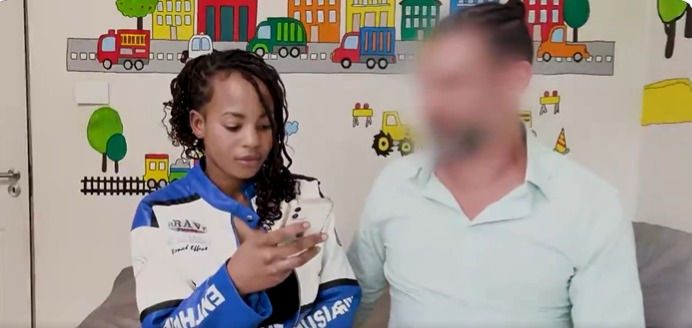
Nxobile Sibiya, a woman from KwaZulu-Natal, has become the latest focal point in ongoing discussions surrounding a casting website that describes itself as an industry gateway but has attracted sustained criticism for the nature of its recordings.
ALSO READ: Pam Andrews Reveals Open Marriage: “We Don’t Live Together and Can Date Anyone We Want”
The platform, operated by an individual known publicly as Ivo, claims to offer aspiring performers a pathway into entertainment careers. However, numerous accounts suggest participants arrive expecting conventional professional evaluations, only to find themselves in sessions that veer sharply away from standard industry practice.
Sibiya’s recent footage began circulating across multiple social networks last week, prompting immediate recognition from users who recalled earlier material featuring the same individual. Within hours, her name dominated conversation threads on major platforms including Facebook and X, formerly Twitter.
The reaction online has been characteristically polarised. A significant portion of commentators expressed alarm at the platform’s continued visibility, questioning why regulatory mechanisms have failed to intervene. Others directed criticism toward participants themselves, triggering broader arguments about economic vulnerability, informed decision-making and systemic inequality.
“Every couple of months this resurfaces and absolutely nothing gets done about it,” remarked one widely-shared comment. Another user stated bluntly: “Let’s not pretend anyone believes this is legitimate casting anymore. We all know what these sessions become.”
Advocacy groups have long maintained that Casting exploits the ambitions of women seeking legitimate career advancement, using industry terminology and promises of visibility to secure participation in recordings that deviate substantially from advertised purposes. They point to recurring participants as evidence of economic desperation rather than genuine professional strategy.
Despite periodic surges of public condemnation, the platform has demonstrated unusual resilience. Previous campaigns calling for its removal or official scrutiny have produced little tangible result, with the site continuing to generate attention largely through viral distribution rather than conventional marketing channels.
At the time of writing, neither Sibiya nor representatives of Casting have issued statements addressing the current controversy. No law enforcement agency has publicly confirmed active investigations into the platform’s operations.
Experts in digital governance suggest the situation exemplifies critical gaps in South Africa’s online content oversight framework. They note that platforms operating within regulatory blind spots can maintain indefinite operation when audiences continue amplifying their material through shares and commentary.
For numerous observers, Sibiya’s reemergence represents something more symbolic than individual—a cyclical pattern that repeats with predictable regularity. Each incident generates intense discussion and moral judgement, followed by gradual public amnesia, until fresh content initiates the sequence anew.
As Casting maintains its presence in trending topics nationwide, pressure is mounting for concrete answers regarding oversight responsibilities, ethical standards in content creation, and the point at which so-called casting sessions cease to resemble professional evaluation entirely.
The conversation surrounding the platform now extends beyond individual cases, forcing uncomfortable questions about collective responsibility when provocative content circulates freely and regulatory infrastructure remains conspicuously absent.
