



Community in shock as footage allegedly linked to controversial casting agency spreads rapidly across social media
KwaMashu Mamfundisi’s trending video. WATCH BELOW
What began as an ordinary Sunday morning in KwaMashu, north of Durban, has spiraled into one of the most unsettling church controversies the township has seen in years — after a video allegedly featuring a prominent and widely respected female church leader began circulating on social media, linked to what authorities describe as a predatory fake model casting operation.
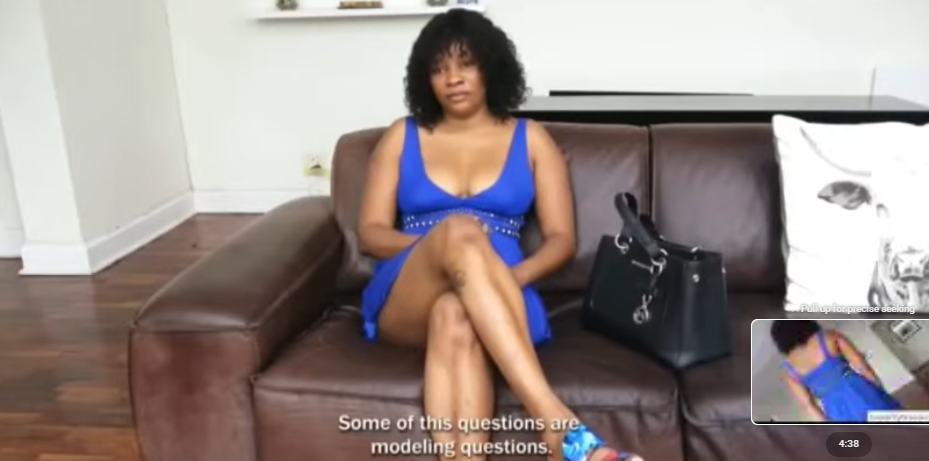
By midday, WhatsApp groups across the community were flooded with messages. Church elders were fielding a barrage of phone calls. Congregants, young and old, found themselves struggling to reconcile the footage on their screens with the woman they had known for years as a prayer leader, marriage counsellor, and an unwavering pillar of spiritual life in KwaMashu.
The woman at the centre of the storm — known affectionately in church circles as MaMfundisi — has not publicly addressed the full extent of what the video contains. But her community has been left reeling.
What the Video Allegedly Shows
According to those who have viewed the footage, the clip appears to have originated from what was framed as a model casting interview — a format that South African authorities have repeatedly flagged as a front for exploitation. The man allegedly visible in the recording has been identified by online users as Ivoo Suzee, who is said to be associated with an operation known as African Casting.
The South African Police Service (SAPS) has in recent weeks, issued explicit public warnings about African Casting, cautioning that women across the country have allegedly been lured to so-called auditions and casting interviews under false pretences. According to the police advisory, participants were reportedly promised cash payments — in some cases approximately R10,000 per session — in exchange for on-camera interviews that allegedly escalated into explicit encounters without full informed consent.
Whether MaMfundisi attended such an interview knowingly, under false pretences, or under some form of coercion remains unknown. She has not confirmed the details of how she came to be involved.
A Community Divided
The reaction within the congregation has been one of profound shock, but opinions on how to respond are sharply divided.
“No one expected this. Not her. Never her,” said one church member, who asked to remain anonymous. “She was the one who preached about discipline, about prayer, about resisting temptation. We are beyond words.”
Others have urged restraint in judgment, pointing to the broader social context in which incidents like these tend to occur. Financial desperation, they argue, has driven many ordinary and otherwise upstanding South Africans into situations they might never have entertained under different circumstances.
“We don’t know what she was told going into that room,” one congregant said. “Maybe she believed it was a legitimate opportunity. Maybe things escalated beyond what she expected. People are under enormous financial pressure right now. We cannot rush to condemn.”
Not everyone is so measured. At least one senior church elder has taken a firmer position, arguing that those in spiritual leadership carry a heightened responsibility for their conduct, regardless of the circumstances that led them there.
Church leadership is understood to be holding emergency meetings to determine the appropriate institutional response. Options reportedly under discussion include a temporary suspension pending a formal inquiry, though others within the congregation are advocating strongly for a pastoral and compassionate approach.
The Wider Problem of Fake Casting Scams
The case has reopened a painful and urgent conversation about the growing number of fraudulent casting and modelling agencies alleged to be operating across South Africa — targeting women with the promise of fast, legitimate income.
Consumer protection advocates and law enforcement officials have repeatedly warned the public that these operations follow a recognisable pattern: an initial approach via social media or direct messaging, promises of substantial cash payments for brief on-camera appearances, and interview settings designed to create pressure and limit a participant’s ability to exit comfortably.
Critically, participants are often led to believe that any footage recorded will remain strictly private. In virtually every documented case linked to this type of operation, that assurance has proven false. The footage is subsequently distributed online without the subject’s consent, compounding the original exploitation with lasting reputational and psychological harm.
It is a pattern that rights organisations say preys most heavily on economically vulnerable individuals — people for whom an offer of R10,000 in a single afternoon represents a genuinely transformative sum.
MaMfundisi Breaks Silence — Briefly
This publication contacted MaMfundisi directly and submitted a series of questions seeking clarity on the circumstances of her alleged involvement: whether she had attended the session knowingly, whether any form of pressure or coercion was applied, whether she had been aware of existing SAPS warnings about African Casting, and whether she had since reported the matter to the police.
Her response was brief. She declined to address the specific questions posed but described the situation as “deeply painful” and requested privacy during what she characterised as “a very difficult time.”
SAPS has not publicly confirmed whether any investigation linked to this specific incident is currently underway. African Casting and the individual identified by online users as Ivoo Suzee had not responded to requests for comment at the time of publication.
Faith Shaken, Questions Unanswered About Fake Model Casting Agency
In KwaMashu, a community that has long drawn strength from its churches and the figures who lead them, the mood is one of grief as much as scandal. For many congregants, the pain lies not only in the footage but in the collision between a deeply trusted identity and a deeply uncomfortable reality.
The incident serves as a stark reminder of the human vulnerabilities that titles and reputations do not always protect against — and of the real danger posed by criminal enterprises that deliberately target people at their most desperate.
As the congregation prays, deliberates, and waits for more information to emerge, the questions at the heart of this story remain unanswered: What was MaMfundisi told? What did she agree to? And who, ultimately, bears the greater responsibility — the woman in the video, or the operation that allegedly put her there?
What is not in question is the damage already done. To a reputation. To a congregation. And to a community’s sense of certainty about the people it trusts most.
The internet, as the saying goes, never forgets.
