



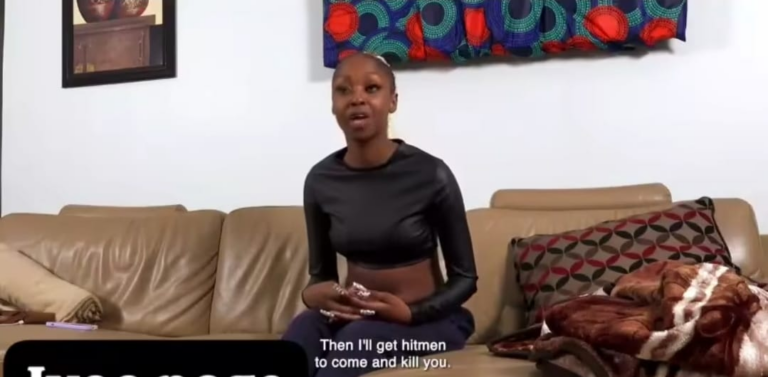
A heated dispute between a South African woman and a figure associated with an adult content platform has gone viral, reigniting public debate over the operations of African Casting and the vulnerability of young women who seek opportunities through such platforms.
A woman identified only as Thumi stormed the studios of African Casting this week, demanding payment and additional work she claims were verbally promised to her. The confrontation, captured on video and widely shared across social media, shows Thumi engaging in a tense exchange with a man identified as Ivo Suzee, whom she accuses of failing to honour his commitments.
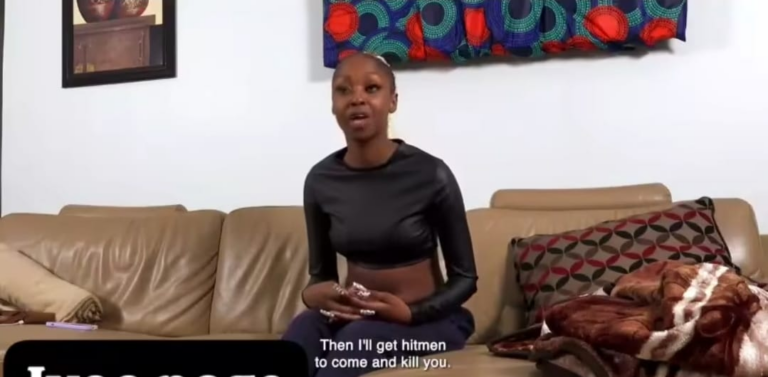
“You promised me other gigs. You promised me money. Now you’re quiet,” she is heard saying during the exchange.
The situation escalated when Thumi allegedly threatened to hire a hitman if her demands were not met — a statement that has since drawn widespread condemnation, sparked legal questions, and divided public opinion across the country.
SAPS Had Issued Prior Warning
The incident comes weeks after the South African Police Service reportedly issued a public advisory cautioning young women to exercise caution before attending interviews or auditions linked to African Casting. Authorities urged potential participants to thoroughly understand any agreements before signing up.
Despite the warning, the platform appears to have continued attracting significant interest, with insiders claiming participants are paid in the region of R10,000 per appearance. For many young South Africans grappling with unemployment, that figure represents a powerful financial incentive — one that critics argue can override caution.
Is It Scripted or a Genuine Dispute?
As the video gained traction online, debate quickly turned to whether the confrontation was authentic or staged. Individuals believed to be affiliated with the production were among the first to characterise Thumi’s behaviour as part of a scripted performance.
“Because that is a script — she is just an actor, basically,” one user identified as Rudi Ivoo Afrocaster Holtz wrote in the comments section. Another commenter, Jessie Maweni, echoed the sentiment, asserting that the participants are compensated after filming such scenes.
However, critics were not satisfied with that explanation. Commentator Jerome Ekunu challenged the scripted narrative, asking why Thumi was demanding money owed to her if the confrontation had been agreed upon in advance. He further called on those defending the production to produce documented evidence of any signed agreement.
The exchange reflects a fundamental tension at the heart of the controversy — whether participants fully understand and consent to the nature of the content being produced, or whether they are drawn in under misleading pretences.
Public Reaction Divided
The viral clip generated a wide spectrum of responses. Some social media users reacted with humour, with several pointing out the contradiction in Thumi threatening to hire a hitman while simultaneously claiming she had not been paid. Others responded with crude commentary and mockery.
A more measured and concerned group, however, used the moment to raise uncomfortable questions about how the platform recruits and treats participants. One commenter, Henry Jamaica, wrote that the man behind the platform lures women with promises of legitimate modelling work before exploiting them, adding that those making light of the situation might feel differently if someone close to them were involved.
His remarks resonated with a segment of the public that believes the viral nature of such content normalises exploitation and obscures the power imbalances involved.
Legal and Ethical Questions Linger
Thumi’s alleged threat carries potential legal consequences regardless of the context in which it was made. Under South African law, threatening to cause harm to another person — even verbally — can constitute a criminal offence. The South African Police Service has not yet publicly confirmed whether a formal complaint or investigation has been initiated in connection with the incident.
Beyond the legal dimensions, the episode has prompted fresh scrutiny of how platforms such as African Casting operate, how participants are recruited, and what safeguards, if any, exist to protect those who engage with them.
The Broader Context: Economic Desperation and Online Content
The controversy sits at a difficult intersection of unemployment, economic desperation and the largely unregulated world of online adult content creation. South Africa’s persistently high youth unemployment rate means that offers of R10,000 for a single appearance can be genuinely life-changing for some participants — a reality that both defenders and critics of the platform acknowledge.
Defenders argue that consenting adults retain the right to make their own financial and professional decisions. Critics counter that genuine informed consent requires transparency, and that any deliberate obscuring of the nature of a job offer undermines that consent entirely.
What Comes Next
African Casting remains a trending topic on South African social media, with the latest confrontation adding another chapter to its ongoing controversy. Whether Thumi’s outburst was authentic frustration or performed content, the incident has succeeded in drawing renewed public and potentially regulatory attention to the platform’s practices.
For now, neither African Casting nor Ivo Suzee has issued a formal public statement addressing the incident. Authorities have similarly remained quiet on whether any action will follow.
What is clear is that the conversation around accountability, consent and the treatment of young women in South Africa’s online content industry is growing louder — and this week’s viral video has done little to quiet it.
WATCH VIDEO BELOW
