



Young women cite unemployment and poverty as driving forces behind their decision
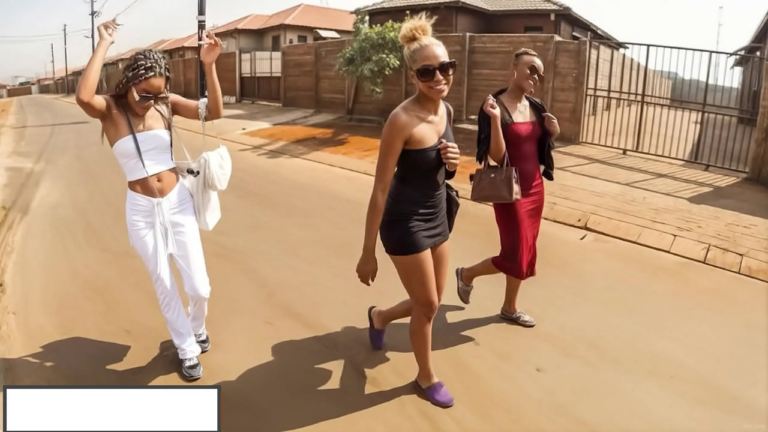
TEMBISA, Gauteng — Three teenage girls from a local government high school in Tembisa have revealed they deliberately sought out African Casting — the agency at the centre of a growing controversy over alleged R10,000 payments — saying financial desperation drove their decision despite being aware of the risks involved.
The three young women, all aged between 18 and 20 and speaking on condition of anonymity, sat down for an exclusive interview in which they described the economic pressures that led them to the agency run by Ivo Suzee. Each said she had researched the controversy beforehand but concluded that the prospect of earning R10,000 outweighed the warnings.
“We’re not stupid,” one of them said. “We know what people say. But we also know what R10,000 can do.”
Poverty, Not Naivety
Far from acting out of ignorance, the young women painted a picture of lives already shaped by hardship. One described herself as the primary breadwinner in her household, saying both her parents struggle with alcohol addiction and that she has long been responsible for feeding and clothing a younger sibling.
“I have to do what I have to do,” she said. “School doesn’t pay. Dreams don’t pay. My brother needs food.”
The trio also expressed disillusionment with conventional employment, describing the job search process as demoralising and unproductive.
“Everywhere you go, they want experience,” one said. “How do you get experience if no one gives you a chance?”
Their accounts reflect a broader crisis facing South African youth. The country’s youth unemployment rate remains among the highest in the world, with millions of young people — particularly in townships — unable to find formal work despite actively seeking it.
Social Media Reaction
The interview sparked debate online after the young women also disclosed they had visited the agency partly out of curiosity about interracial relationships, saying they were “open to trying” dating outside their race. The admission drew mixed reactions, with some critics accusing them of pursuing fast money irresponsibly, while others argued their situation was symptomatic of systemic failures in education, employment, and social support.
A Quiet But Spreading Concern
Community members and observers say the case highlights the vulnerability of young people in economically marginalised areas, where diminishing prospects can make high-risk opportunities appear more appealing than conventional paths.
Youth development advocates have pointed to several accessible income-generating options available to young South Africans, including retail and hospitality work, government and private-sector learnership programmes that combine training with a monthly stipend, township-based service businesses such as hair braiding or barbering, and digital freelancing in areas like graphic design or social media management.
As the interview concluded, one of the young women offered a remark that encapsulated the group’s sentiment.
“We don’t want pity,” she said. “We just want options.”
Whether enough viable options exist — and whether institutions are doing enough to provide them — remains an open question for communities like Tembisa.
