



Authorities in KwaZulu-Natal have suspended more than 268 scholar transport vehicles and charged hundreds of drivers as a province-wide crackdown on unsafe learner transport intensifies following a series of school accident incidents.
The KwaZulu-Natal Department of Transport has taken sweeping action against non-compliant scholar transport operators, suspending over 268 vehicles and charging 429 drivers since schools reopened last month. The enforcement drive follows mounting public concern over pupil safety on the roads, with several high-profile incidents placing the learner transport sector under national scrutiny.
Crackdown Triggered by Series of School Accident Incidents
The intensified inspections were partly triggered by a devastating school accident near Vanderbijlpark in Gauteng earlier this month, in which 14 pupils lost their lives. Authorities confirmed that the vehicle involved was not registered for scholar transport and was operated by an unlicensed driver. The tragedy sent shockwaves across the country and placed renewed pressure on provincial authorities to act decisively.
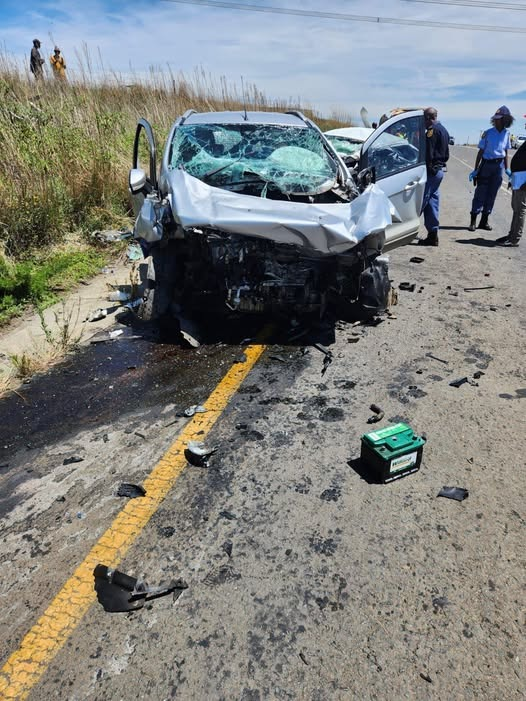
Closer to home, a school accident in Mpophomeni near Howick saw a scholar transport vehicle crash and leave 16 pupils injured. While none of the children suffered life-threatening injuries, the incident reignited deep public anxiety about the roadworthiness of vehicles ferrying learners to and from school every day.
Widespread Non-Compliance Uncovered
Intensive roadside inspections across the province have exposed alarming conditions in many scholar transport vehicles. Authorities found worn-out tyres, faulty braking systems, broken lights, and severe structural damage — deficiencies they described as entirely unacceptable.
Drivers were charged with a range of offences including operating unlicensed vehicles, driving without a valid Professional Driving Permit (PrDP), and reckless and negligent driving.
In one particularly disturbing case, Road Traffic Inspectorate officers intercepted a six-seater vehicle in the Pietermaritzburg area carrying 23 children — nearly four times its legal capacity. The driver received a firm warning from Transport and Human Settlements MEC Siboniso Duma and was ordered to immediately correct the vehicle’s condition. Days later, the same vehicle was reportedly spotted back on the road transporting pupils, prompting authorities to launch an investigation.
Fraudulent Roadworthy Certificate Under Investigation
The repeated violations involving the same vehicle raised additional red flags. Investigators discovered that while the minibus is legally domiciled in Pietermaritzburg, it obtained its roadworthy certificate in the Eastern Cape — a discrepancy that has raised serious suspicions about irregularities in the certification process.
Duma stated that it was highly unlikely for a vehicle to deteriorate to such an unroadworthy state within a short period, suggesting that the certificate may have been fraudulently issued.
New Measures to Strengthen Scholar Transport Oversight
In response to the ongoing crisis, the Department of Transport has announced plans to tighten legislation governing both scholar and taxi transport. Proposed reforms include stricter driver vetting processes, clearer vehicle safety standards, and enhanced operational oversight.
One of the key upcoming initiatives will introduce visible branding and scannable licence discs for authorised scholar transport vehicles, making it easier for authorities and the public to identify legitimate operators. Duma warned that any unauthorised vehicle found transporting pupils will be impounded and its operator prosecuted.
Duma also called for technological monitoring systems to track compliance in real time and prevent repeat violations from going undetected.
The South African National Taxi Council (SANTACO) in KwaZulu-Natal has also stepped up its oversight role, deploying dedicated members to monitor vehicle roadworthiness, enforce professional dress codes among drivers, and ensure that pupils are transported strictly during school hours.
Industry Voices Support Enforcement
Phoenix Scholar Association member Krishen Chetty welcomed the department’s enforcement programme, acknowledging that while many operators comply with regulations, others prioritise profit over safety.
“Some of our guys are just here for the money. They don’t invest in their business. If you don’t service the very thing that brings food to your house, who will?” Chetty said, urging operators to take a proactive approach to vehicle maintenance.
Authorities have made clear that enforcement operations will continue until full compliance is achieved across the province. With the memory of the Vanderbijlpark school accident still fresh, the message from KwaZulu-Natal’s transport authorities is unambiguous: the safety of schoolchildren is no longer negotiable.
